Few psychological hooks in gambling sting like the near miss. You land two scatters and the third slides past the payline by a pixel. The reels flash, the soundtrack swells, and your brain reads it as almost winning.
As someone who has spent years in eCommerce personalisation, I reckon the effect works like a well-timed discount pop-up. Queensland venues like The Ville Resort-Casino in Townsville and The Reef Hotel Casino in Cairns design floors with these moments in mind, so Australian players who compare options on spinsamuraireviews.org quickly see how interfaces differ.
How a near miss actually shows up in a game interface
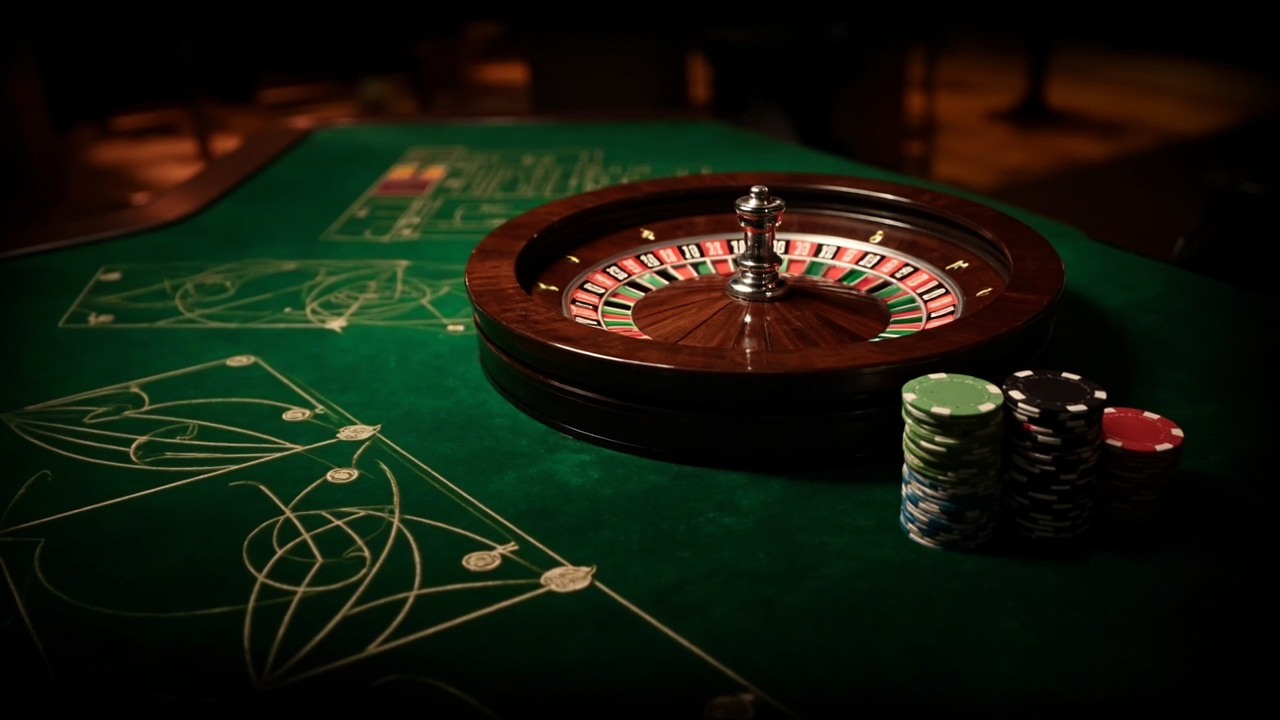
The near miss is not a near win. In slot design, it is any outcome where losing symbols sit one position from a jackpot line. Modern games exaggerate this with slow-reel stops, flashing borders, and sound cues that mimic a win. Providers configure symbol weighting so near misses occur roughly every three or four spins on many titles, keeping the brain in a loop of anticipation and relief.
From a personalisation standpoint, the same dopamine curve that drives a successful cart-abandonment email drives a near miss. The difference is that the email asks you to spend money, while the slot asks you to keep playing. A clean game screen with clear loss messaging and AUD balances helps players stay oriented, while a cluttered layout with celebratory animations for losses blurs the line between entertainment and chasing.
Localisation sharpens the picture. Games that default to Australian dollars, display odds in familiar formats, and offer session timers in plain English reduce the cognitive load that makes near misses feel meaningful. Queensland venues like The Ville Resort-Casino in Townsville and The Reef Hotel Casino design on-floor signage that spells out time and spend limits. When an interface does the opposite, the effect becomes harder to spot.
| Design trigger | What your brain does |
|---|---|
| One symbol from a payline | Reads it as “almost won” |
| Win-like sound on a small credit | Reframes the loss as success |
| Two near misses in a row | Confidence in the next spin rises |
| Bonus round one pick short | Near miss effect intensifies |
Three questions to weigh before your next session
Does the game’s interface dress up a loss?
Modern slot titles often celebrate losses that look like wins. The screen lights up, a fanfare plays, and your balance ticks up by a few cents. Australian regulators require wins and losses be shown separately, but the visual treatment can still confuse. When evaluating a title, ask whether the post-spin summary states net result in AUD. If the interface buries the loss under animations, the near miss effect compounds. Game info panels that list return-to-player percentages in plain English, alongside a session timer, are a positive sign. Platforms that localise this copy and avoid jargon give a fairer read on every spin, and a search filter for low-animation titles makes the choice easier.
The “lucky omen” trap and why it lingers
A common misconception is that a near miss means a win is close. The reality is more nuanced. Each spin on a certified random number generator is independent, so the previous outcome carries no statistical weight. What the near miss actually signals is that the game is calibrated to keep you engaged, not that you are due. Grace Jackson, Head of Analytics at Banksia Betting Partners, calls it a design choice that mimics a win without changing the math, and recommends players treat it as feedback on the game rather than a forecast. I have seen this mistaken belief in retail retention data too, where a small reward after a near miss drives outsized repeat behaviour. Recognising the illusion is the first step; setting a stop-loss before you start is the practical follow-through.
Practical checks that keep the effect in check
Before loading any title, run three quick checks. First, confirm the balance is shown in Australian dollars and that loss messaging is unambiguous. Second, set a session timer and a hard spend cap, and stick to both. Third, identify whether the game uses near-miss animations heavily; if so, switch to a title with cleaner feedback. Queensland players heading to The Reef Hotel Casino in Cairns for a night out can pre-set limits on entry, and The Ville Resort-Casino offers similar tools on its gaming floor. If play ever stops feeling like entertainment, Australia’s gambling helplines are free, confidential, and available around the clock. Logging out after a set period is the simplest defence.
Player fit: who should treat the near miss effect as essential reading
Anyone who plays slots or instant-win titles should know how the effect works, but a few groups benefit more. Regulars at Queensland venues near Cairns who play several sessions a month will see near misses often enough that the illusion builds quietly. New online players starting during big promotional pushes are vulnerable because a near miss feels like validation. High-velocity players moving between multiple tabs face compounded risk, since each interface layers its own feedback loop.
Players who respond to clear, structured feedback will find games with visible volatility ratings, AUD balances, and short session timers reduce the cognitive load. If you prefer slower play, decision-based titles like blackjack may suit you better, and practising with a basic strategy trainer before wagering is a defo worthwhile step. Live dealer fans should still pre-set a hard limit, because side bets around a near miss can escalate quickly.
The players who should be most cautious are those chasing recent near misses, or anyone who has raised stakes to recover a close call. That pattern is a retention trap, and it is the same curve my team used to flag in eCommerce when a personalised offer drove repeat cart abandonment. If you recognise it in yourself, step away. Australia’s gambling helplines are free, confidential, and available 24/7.
Decisions beat hunches when the near miss is in play. Pick games with clear AUD balances and plain-English loss messaging, set a 3-hot-chillies-au.com timer, and walk when the timer ends. If a near miss pulls you back for one more spin, that is the design doing its job, not your luck turning. Stay deliberate, and the effect stays a curiosity rather than a cost.
Leave a Reply